
Vacant Land Appraisals for Property, Development & Investment Decisions
Vacant land value depends on far more than acreage or price per square foot. Location, zoning regulations, permitted uses, access, utilities, parcel configuration, topography, development rights, environmental conditions, market demand, and highest and best use can significantly influence a property's fair market value. A professional vacant land appraisal analyzes these factors together with comparable sales and current market data to develop an independent, well-supported opinion of value.
Collins & Associates provides independent vacant land appraisal services throughout Southern California for property owners, buyers, sellers, developers, investors, lenders, attorneys, accountants, trustees, estate professionals, and government agencies. Every real estate appraisal is personally completed by David R. Collins, Certified General Appraiser, with more than 50 years of real estate valuation experience.
Assignments may involve individual vacant lots, residential land, commercial land, industrial land, development sites, agricultural acreage, infill parcels, entitled and unentitled land, redevelopment sites, and larger undeveloped properties. Each appraisal is developed around the parcel of land, property rights being valued, intended use, effective valuation date, market conditions, and applicable appraisal standards.

What Is a Vacant Land Appraisal?
A vacant land appraisal is the process of developing an independent opinion of the market value or fair market value, when applicable to the assignment, of a parcel of land without relying on the value of completed building improvements. The appraisal examines the property's legal, physical, and economic characteristics to determine how buyers and sellers within the relevant real estate market are likely to evaluate the land.
Vacant property can range from a buildable residential lot to commercial acreage, industrial land, agricultural property, infill land, or a large development site. Some parcels may be immediately usable or buildable, while others require zoning changes, entitlements, subdivision approval, utility extensions, grading, environmental review, or other improvements before development can occur.
The appraisal process may include a property inspection, review of zoning and land-use regulations, analysis of property rights, research into comparable land sales, evaluation of current market trends, and consideration of access, utilities, topography, soil conditions, easements, environmental constraints, and development potential.
Highest and best use is a fundamental part of vacant land valuation. The appraiser evaluates uses that are legally permissible, physically possible, financially feasible, and maximally productive. This analysis helps determine whether the land's current use, proposed development, or another reasonably supported use provides the appropriate basis for property valuation.
What the Appraiser Evaluates
- Vacant residential lots
- Residential development land
- Commercial land
- Commercial development sites
- Industrial land
- Multifamily development sites
- Mixed-use development land
- Agricultural acreage
- Infill parcels
- Entitled development sites
- Unentitled land
- Subdivision land
- Redevelopment sites
- Hillside and view lots
- Larger undeveloped parcels
- Land assemblages
- Restricted land
- Investment land held for future development
Each type of vacant land presents different valuation considerations. Zoning, legally permitted uses, parcel size and configuration, access, infrastructure, development rights, entitlement status, physical characteristics, comparable sales, land use, market conditions, and highest and best use must be analyzed together to determine credible land value.
Types of Vacant Land We Appraise
Vacant land varies significantly in size, zoning, permitted use, physical condition, entitlement status, infrastructure, and development potential. Collins & Associates provides independent vacant land appraisal services for property owners, buyers, developers, investors, lenders, attorneys, accountants, estate professionals, trustees, and government agencies throughout Southern California.
Vacant Residential Land
Vacant residential land may include individual building lots, custom home sites, residential acreage, subdivision land, or parcels positioned for future housing development. Land value can vary substantially depending on zoning regulations, allowable density, neighborhood demand, access, utilities, and site conditions.
- Lot size and configuration
- Residential zoning and permitted uses
- Allowable density
- Access and street frontage
- Utility availability
- Topography and buildable area
- Surrounding residential development
- Comparable land sales
Vacant Commercial Land
Commercial land may be intended for retail, office, hospitality, mixed-use, or other business development. The appraisal evaluates the parcel based on its legally permissible uses, physical characteristics, development potential, and demand within the local commercial real estate market.
Vacant Industrial Land
Industrial land may support warehouse, manufacturing, distribution, logistics, flex, or other industrial development depending on zoning and local regulations. Location relative to transportation infrastructure and the site's physical utility can significantly influence market value.
Residential & Commercial Development Sites
Development land may have greater value based on its potential for future construction rather than its existing vacant condition. The appraisal considers what can reasonably be developed, the approvals already obtained, and how buyers and developers evaluate competing sites.
Entitled & Unentitled Land
Entitlement status can significantly affect the development timeline, uncertainty, and marketability of a vacant parcel. Entitled land may have approvals for a specific project, while unentitled land may require zoning, subdivision, environmental, or other governmental approvals before development.
Infill & Redevelopment Land
Infill land is generally located within an established developed area where surrounding infrastructure and land uses already exist. Redevelopment sites may contain obsolete or limited improvements where the underlying land represents an important component of property value.
Agricultural & Rural Vacant Land
Agricultural and rural parcels may be valued based on agricultural productivity, development potential, investment demand, conservation considerations, or a combination of these factors. Acreage alone does not establish land value.
Hillside & Irregular Parcels
Hillside, sloped, or irregularly configured vacant land can present unique appraisal issues because gross acreage may differ substantially from usable or buildable area. Development costs and physical constraints can influence how buyers evaluate these properties.
Subdivision & Larger Development Land
Larger parcels may be suitable for subdivision into multiple lots or development as a coordinated residential, commercial, industrial, or mixed-use project. These assignments require careful consideration of development rights, market demand, infrastructure, and entitlement status.
Land Assemblages
A land assemblage involves two or more adjoining parcels that may create additional development utility when combined. The appraisal must distinguish between the value of the individual parcel and any value implications associated with a larger assemblage based on the specific assignment and available market evidence.
Vacant Land Characteristics That Influence Valuation
Vacant land can differ substantially in location, zoning, physical characteristics, development rights, infrastructure, entitlement status, and marketability. A vacant land appraisal evaluates how these factors affect land value, development feasibility, highest and best use, and buyer demand within the relevant Southern California real estate market.
Location and Market Demand
Location is one of the strongest influences on vacant land value. Proximity to established residential and commercial areas, employment centers, transportation corridors, infrastructure, and expanding development can affect buyer demand. Current market trends and broader market conditions are analyzed to determine how competing parcels are performing within the local real estate market.
Parcel Size, Shape, and Configuration
The size and configuration of a vacant parcel can directly affect its utility. Gross acreage may differ substantially from usable or buildable land because of setbacks, easements, slopes, environmental constraints, irregular boundaries, or other limitations. The appraisal considers how these characteristics affect marketability and land value.
Utilities and Infrastructure
The availability and capacity of water, sewer, electricity, natural gas, drainage, roads, and other infrastructure may significantly affect development costs and market value. A vacant property requiring substantial utility extensions or infrastructure improvements may compete differently from a development-ready site.
Entitlements and Development Approvals
Entitlements can affect development timing, risk, and marketability. Approved subdivision maps, site plans, zoning approvals, permits, and other development rights may influence fair market value when market participants recognize their contribution to the property's development potential.
Development Potential
Development potential depends on more than zoning alone. Parcel configuration, infrastructure, access, physical conditions, entitlements, surrounding land uses, market demand, and economic feasibility all influence what can reasonably be developed and how buyers are likely to price the property.
Zoning Regulations and Permitted Uses
Zoning regulations determine the types of development legally permitted on a parcel of land. The appraisal considers permitted uses, allowable density or development intensity, setbacks, height restrictions, minimum lot requirements, parking standards, and other land-use regulations that may influence property valuation and development potential.
Access, Frontage, and Circulation
Legal and physical access are important considerations in vacant land valuation. Street frontage, ingress and egress, private roads, access easements, intersection proximity, and internal circulation can influence development feasibility and how buyers evaluate the property.
Topography, Soil Quality, and Site Conditions
Slope, drainage, geology, soil quality, flood hazards, vegetation, and other physical conditions can influence usable acreage and development feasibility. Their impact depends on the property's intended use, available documentation, and how prospective buyers respond to those conditions.
Easements and Land-Use Restrictions
Access easements, utility easements, deed restrictions, conservation restrictions, environmental limitations, and other encumbrances can affect how a vacant parcel may be used. The appraisal evaluates the specific restrictions applicable to the property and their potential influence on highest and best use.
Highest and Best Use
Highest and best use is fundamental to vacant land appraisal. The appraiser evaluates uses that are legally permissible, physically possible, financially feasible, and maximally productive. The resulting highest and best use analysis provides an important foundation for selecting comparable sales and appropriate valuation methods.
When Is a Vacant Land Appraisal Needed?
Vacant land appraisal services support important acquisition, sale, development, financing, estate, tax, legal, and investment decisions. The intended use of the appraisal determines the effective valuation date, scope of work, appraisal process, required market research, and appropriate appraisal report.
How Vacant Land Is Appraised
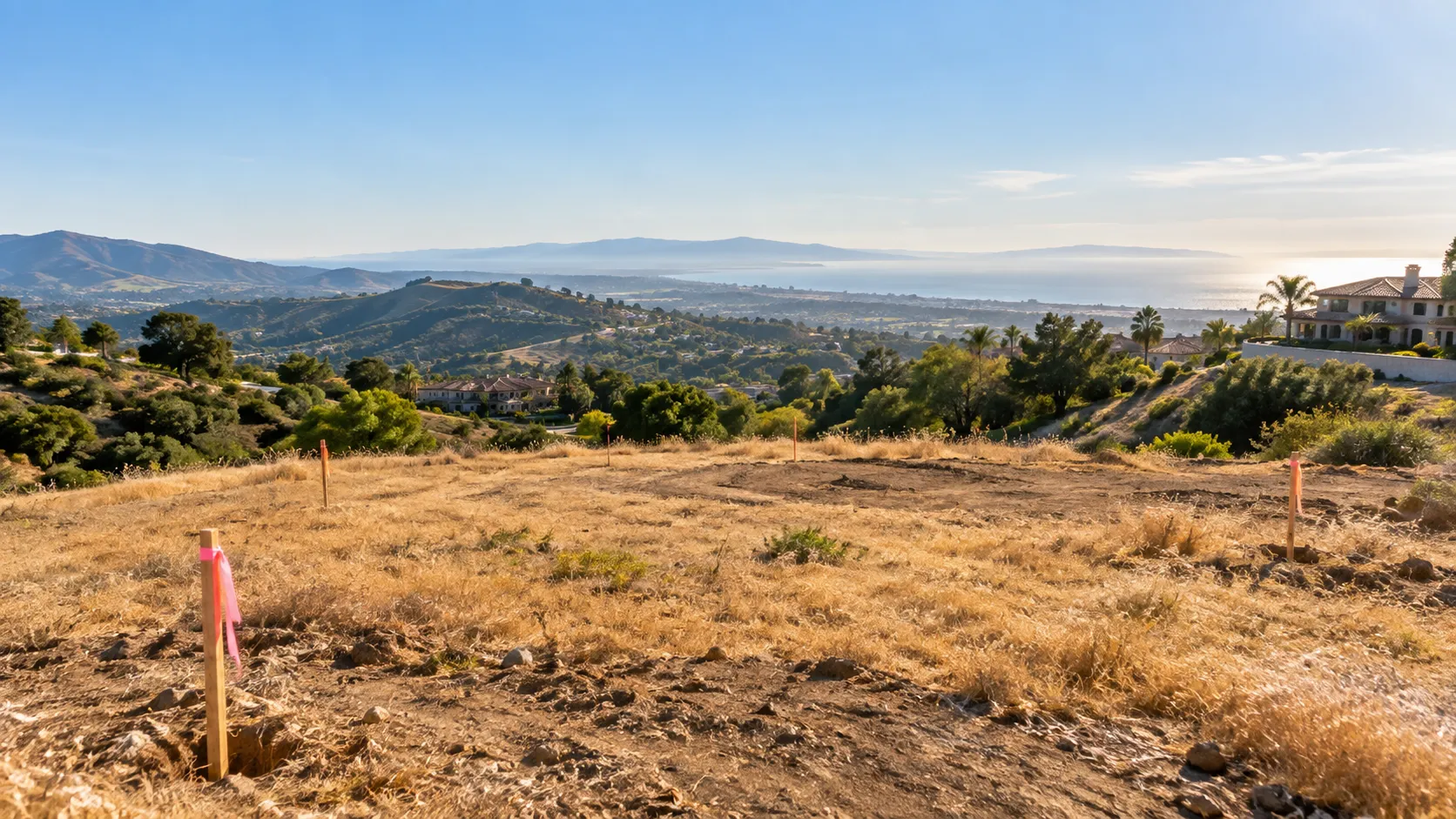
Vacant land is appraised using recognized valuation methods together with detailed analysis of the property's location, zoning, physical characteristics, property rights, development potential, market conditions, and highest and best use. Because unimproved land generally does not produce stabilized income, comparable land sales frequently provide some of the most important market evidence.
The appraisal process typically includes property inspection, public-record research, zoning and land-use review, analysis of relevant land sales, evaluation of current market data, and consideration of site-specific factors such as access, utilities, topography, entitlements, and environmental or development restrictions.
The appropriate valuation methods depend on the type of land, intended use of the appraisal, available market evidence, and actions of buyers and sellers within the relevant real estate market.
Sales Comparison Approach
The Sales Comparison Approach is frequently the primary method used for vacant land valuation. Recent comparable sales are researched and analyzed to determine how differences between the sold properties and the subject parcel affect market value.
Comparison factors may include:
- Location and market area
- Parcel size and usable acreage
- Zoning and permitted uses
- Development density or intensity
- Access and frontage
- Utilities and infrastructure
- Entitlement status
- Topography and physical conditions
- Development restrictions
- Market conditions at the time of sale
Comparable land sales are not selected solely because they have similar acreage. The appraiser considers the characteristics that influence how market participants actually evaluate competing parcels.
Income Capitalization Approach
The Income Capitalization Approach may be applicable when vacant or minimally improved land generates income and similar properties are commonly evaluated based on their income-producing characteristics.
When applicable, the analysis may consider:
- Existing rental or lease income
- Market-supported land rents
- Lease terms and escalations
- Expense responsibilities
- Remaining lease term
- Income stability
- Market-supported capitalization rates
- Investor expectations
The applicability of this approach depends on the property and the availability of reliable market evidence.
Other Land Valuation Methods
Certain vacant land assignments may require additional valuation methods when directly comparable sales are limited or when subdivision, development, or another specialized use significantly influences property value.
Depending on the assignment and available market data, appropriate methods may include allocation, extraction, subdivision or development-related analysis, and other recognized land valuation techniques. The method selected should reflect the property's characteristics and how market participants evaluate similar real estate.
.
Reconciling the Value Indicators
Not every valuation method is appropriate for every parcel of vacant land. The appraiser evaluates the relevance, quantity, and quality of the available market evidence before developing the final opinion of value.
An individual buildable lot may rely heavily on comparable sales, while a larger development site may require additional analysis of zoning, allowable density, entitlements, infrastructure, development timing, and market demand.
The final reconciliation reflects the property's specific characteristics, highest and best use, and the market evidence considered most reliable for the assignment.
Why Vacant Land Appraisal Experience Matters
Vacant land valuation requires more than comparing acreage or applying an average price per square foot. Two parcels in the same real estate market can have substantially different values because of zoning regulations, permitted uses, access, utilities, entitlement status, topography, environmental constraints, development rights, and highest and best use. Experienced appraisal analysis is essential for identifying how these characteristics influence market value.
Experienced vacant land appraisal services provide property owners, buyers, developers, investors, lenders, attorneys, accountants, estate professionals, trustees, and government agencies with reliable valuation information for important development, financial, legal, tax, ownership, and investment decisions.
Who Requests Vacant Land Appraisals?
Vacant land appraisals are requested by property owners, buyers, developers, investors, lenders, attorneys, accountants, estate professionals, trustees, corporations, and public agencies that require an independent and well-supported opinion of land value for acquisition, development, financial, legal, tax, or investment purposes.
-
Landowners & Property Owners
Landowners may require an appraisal when purchasing, selling, financing, holding, subdividing, developing, or transferring a parcel of land. Independent property valuation can also support decisions involving redevelopment, ownership restructuring, land assemblage, or determining whether to hold property for future development.
-
Developers & Real Estate Investors
Developers and investors use vacant land appraisals to evaluate land acquisition, disposition, development opportunities, subdivision sites, redevelopment properties, assemblages, and parcels held for future appreciation or construction. The appraisal provides market-supported analysis of current land value and highest and best use.
-
Banks and Commercial Lenders
Banks, credit unions, private lenders, and other financial institutions may require an independent vacant land appraisal when underwriting a land acquisition, refinancing existing debt, evaluating collateral, or considering financing associated with future development.
-
Attorneys & Law Firms
Attorneys may request vacant land appraisals for eminent domain and condemnation, partition actions, partnership disputes, ownership disagreements, bankruptcy, divorce proceedings, damages, inheritance disputes, and other legal matters requiring an independent real estate appraisal.
-
CPAs, Trustees & Estate Professionals
Certified Public Accountants, trustees, executors, and estate planning professionals may require vacant land valuations for estate tax reporting, date-of-death valuation, probate, trust administration, gifting, ownership transfers, financial reporting, and other estate or tax matters.
-
Government Agencies & Public Entities
Government agencies, municipalities, public entities, and other organizations may require vacant land appraisal services for land acquisition, eminent domain, condemnation, infrastructure projects, property tax matters, redevelopment, land exchanges, and other public purposes.
Whether the property is an individual vacant lot, development site, agricultural parcel, commercial or industrial site, subdivision property, infill parcel, assemblage, or land held for future development, the scope of each appraisal is developed around the property, intended use, intended users, effective valuation date, highest and best use, and applicable market conditions.
Why Choose Collins & Associates
Collins & Associates provides independent vacant land appraisal services personally completed by David R. Collins, Certified General Appraiser, with more than 50 years of real estate valuation experience throughout Southern California.

Meet Your Commercial Land Appraiser
David R. Collins, G.A.A., S.C.R.E.A.
Certified General Appraiser
Trusted by Property Owners, Developers, Attorneys & Lenders
Collins & Associates works directly with individuals and organizations requiring independent vacant land appraisal services, including:
- Landowners and property owners
- Builders and real estate developers
- Commercial real estate investors
- Banks and lending institutions
- Attorneys and law firms
- Certified Public Accountants
- Trustees and estate professionals
- Government agencies and public entities
Every client works directly with Dave throughout the appraisal process, from the initial consultation and property research through completion of the final appraisal report.
Certified General Appraiser for Vacant Land
David R. Collins holds the Certified General Appraiser credential and personally completes every vacant land appraisal assignment, including properties involving complex development, zoning, entitlement, or highest and best use considerations.
Vacant land appraisal assignments may include:
- Vacant residential lots
- Commercial development land
- Industrial land
- Multifamily development sites
- Agricultural and rural acreage
- Entitled and unentitled land
- Subdivision and development sites
- Infill and redevelopment land
- Hillside and irregular parcels
- Land assemblages
Vacant Land Valuation Experience
Vacant land appraisal requires careful analysis of characteristics that can substantially influence market value. Zoning regulations, permitted uses, parcel configuration, access, utilities, topography, soil and site conditions, entitlements, development restrictions, surrounding land uses, and highest and best use must be considered within the context of the relevant real estate market.
Collins & Associates combines property-specific analysis with comparable land sales, current market data, and recognized valuation methods to determine how buyers, developers, investors, and other market participants are likely to evaluate the property.
Complex Land Valuation
Vacant land frequently becomes the subject of appraisal assignments where development potential, ownership rights, public acquisition, or retrospective value requires more detailed analysis.
Assignments may involve:
- Eminent domain and condemnation
- Property tax assessment appeals
- Estate, trust, and probate matters
- Partition and ownership disputes
- Land acquisition
- Land assemblages
- Retrospective valuations
- Subdivision and development sites
- Litigation and dispute resolution
Independent Vacant Land Valuation
Collins & Associates maintains an independent and objective perspective throughout every vacant land appraisal. The appraiser's responsibility is to develop a credible opinion of market value supported by recognized appraisal methodology, relevant market evidence, highest and best use analysis, and professional judgment.
Every appraisal is developed in accordance with USPAP and applicable appraisal standards and tailored to the property's characteristics, property rights, intended use, intended users, effective valuation date, and assignment requirements.
Counties Served
Collins & Associates provides independent vacant land appraisal services throughout Southern California for residential, commercial, industrial, agricultural, and development land. Every appraisal is personally completed by David R. Collins, Certified General Appraiser, and developed in accordance with USPAP and applicable appraisal standards.
-
Los Angeles County
-
Orange County
-
Riverside County
-
San Bernardino County
-
San Diego County
-
Ventura County
Vacant land appraisal assignments may include individual building lots, residential acreage, commercial and industrial land, subdivision sites, entitled and unentitled development land, agricultural acreage, infill parcels, hillside properties, redevelopment sites, land assemblages, and larger undeveloped parcels throughout Southern California.
Every appraisal is tailored to the property's zoning regulations, permitted uses, parcel characteristics, access, utilities, entitlement status, development rights, highest and best use, intended use, intended users, effective valuation date, and applicable market conditions.
Request a Vacant Land Appraisal in California
Whether you are purchasing or selling vacant property, evaluating a development opportunity, securing financing, planning an estate, appealing a property tax assessment, or addressing a legal matter, an independent vacant land appraisal provides objective market evidence for informed real estate decisions.
Collins & Associates provides vacant land appraisal services throughout Southern California. Every assignment is personally completed by David R. Collins, Certified General Appraiser, with careful consideration of zoning, permitted uses, access, utilities, site characteristics, entitlements, development potential, comparable sales, current market data, and highest and best use.
From individual residential lots and commercial development sites to industrial land, agricultural acreage, subdivision properties, infill parcels, and larger development sites, Collins & Associates delivers credible, USPAP-compliant appraisal reports for property owners, buyers, developers, investors, lenders, attorneys, accountants, estate professionals, and government agencies.
Contact Dave today to discuss your vacant land appraisal needs and determine the appropriate scope of work for your property and intended use.

Frequently Asked Questions About Vacant Land Appraisals
Schedule a Call Back with Dave Collins
Provide your contact information, and Dave Collins will personally return your call to discuss your vacant land appraisal needs, property details, intended use, and anticipated timeline.
Dave is a Certified General Appraiser with more than 50 years of real estate valuation experience across Southern California. Every assignment is completed personally, providing direct access to the appraiser from the initial consultation through completion of the final appraisal report.
During the call, Dave will review:
- The vacant parcel and its location
- Zoning, permitted uses, and development potential
- The intended use and intended users of the appraisal
- The effective valuation date
- The appropriate appraisal scope and report type
- Available surveys, site plans, entitlements, and property documentation
- Access, utilities, topography, and relevant site characteristics
- Your preferred completion timeline
Types of Properties Commonly Appraised
- Vacant residential lots
- Commercial development land
- Industrial land
- Residential and multifamily development sites
- Agricultural and rural acreage
- Entitled and unentitled land
- Subdivision land
- Infill and redevelopment sites
- Hillside and irregular parcels
- Land assemblages
Direct Access to the Appraiser
All consultations and vacant land appraisal assignments are handled directly by David R. Collins, ensuring every valuation benefits from more than 50 years of real estate appraisal and land valuation experience throughout Southern California.
"*" indicates required fields