
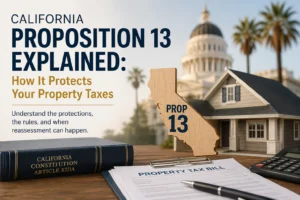
California Proposition 13 Explained: How It Protects Your Property Taxes

If you own property in California, Proposition 13 is one of the most important laws affecting your financial future.
It’s the reason many long-term property owners pay significantly lower property taxes than newer buyers. It’s also the reason property taxes don’t automatically skyrocket when home values increase.
But while Proposition 13 provides powerful protections, it’s often misunderstood — especially when it comes to reassessment.
Understanding how it works (and when it doesn’t) is critical if you want to protect your tax position.
At Collins & Associates, we help property owners, investors, and advisors across California navigate valuation, reassessment exposure, and tax-related decisions tied to real estate.
What Proposition 13 Actually Does
Proposition 13, passed in 1978, fundamentally changed how property taxes are calculated in California.
Instead of reassessing property every year based on current market value, the system shifted to an acquisition-based model. The people past Prop 13 to protect senior citizens with fix income from having to sell their property due to rapid increases in home values.
This means:
- Property is taxed based on its value at the time of purchase
- That value becomes the base year value
- Annual increases are limited, typically capped at 2%
However the majority of the 58 counties in the state of California must appreciate year to year. If the majority of the counties don’t appreciate there is not an increase for that year.
As long as ownership doesn’t change and no new construction occurs, that tax base remains protected.
The Four Core Protections of Proposition 13
1. It Caps the Property Tax Rate
The base property tax rate is limited to 1% of assessed value, plus any voter-approved local bonds.
2. It Limits Annual Increases
Even if property values rise dramatically, your assessed value can typically only increase by up to 2% per year.
3. It Protects Inheritance for Intra-Family Transfers of Property Ownership
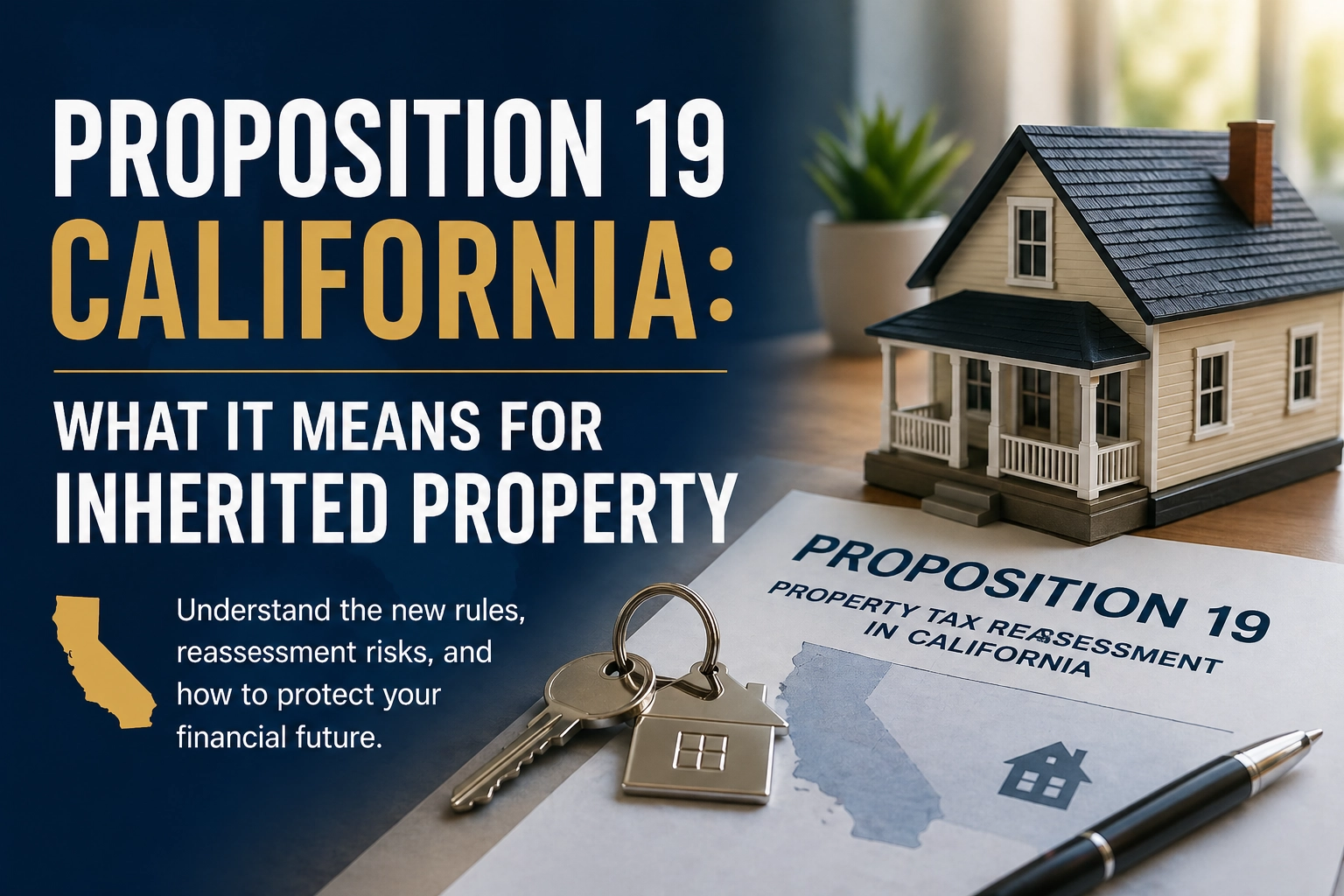
See Prop 19 restrictions regarding Prop 13
4. It Restricts Reassessment Events
Property is only reassessed when:
- New construction is completed
Assessed Value vs. Market Value: The Key Difference
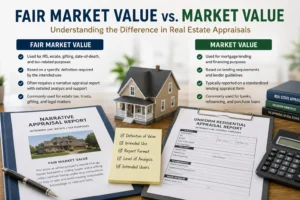
One of the most misunderstood aspects of Proposition 13 is the difference between market value and assessed value.
A property worth $2 million today might still have an assessed value under $700,000 if it’s been held for decades.
Understanding the Gap Between Assessed Value and Market Value
One of the most powerful effects of Proposition 13 is the growing gap between a property’s assessed value and its current market value over time.
Because annual increases are limited, long-held properties often carry an assessed value that is significantly lower than what the property would sell for in today’s market.
- Long-term holding costs
- Investment strategy decisions
- Estate planning considerations
- Timing of property transfers
When that protected tax base is lost, the financial impact can be substantial. That’s why understanding both values is critical before making decisions.
When Property Taxes Can Still Increase
Your tax bill can still go up due to inflation adjustments, new construction, ownership changes, or local assessments.
Understanding these triggers is key to avoiding unexpected increases. In many cases, property owners rely on a property tax appeal appraisal to evaluate whether a reassessment is accurate and defensible.
What Triggers Reassessment?
Reassessment can happen when a property is sold, transferred, inherited, gifted, or legally restructured.
Even transactions that don’t feel like a “sale” can trigger reassessment. Situations such as inheritance or estate transfers often require a date of death appraisal.
In cases involving gifting or structured transfers, a gifted property valuation may be required.
A Professional Perspective on Proposition 13 and Reassessment
According to David R. Collins, Certified General Appraiser and principal of Collins & Associates, many property owners misunderstand when Proposition 13 protections actually apply.
“In practice, most reassessment issues are not caused by the law itself, but by how transactions are structured,” Collins explains.
“We often see property owners assume they are protected, only to face unexpected reassessment because of how a transfer was executed.”
Why Reassessment Is Often a Valuation Issue
When reassessment is involved, everything comes down to value.
This is why many situations require a professional appraisal. In most disputes, an expert witness real estate appraiser may be needed.
How to Avoid Costly Reassessment Mistakes
- Assuming family transfers are always protected
- Confusing assessed value with market value
- Starting construction without understanding impact
- Waiting too long to review notices
If you want a deeper breakdown, learn how to avoid property tax reassessment in California.
How Proposition 13 Fits Into Modern Property Strategy
Proposition 13 is more than a tax rule — it’s a long-term financial strategy.
When properties are part of long-term planning, an estate planning appraisal helps define value and guide decisions.
How Property Transfers Impact Your Tax Base
Not all property transfers are treated the same, and this is where many costly mistakes occur.
- Parent-to-child transfers
- Living trusts
- Ownership changes
- Business restructuring
Why Appraisals Matter More Than Ever
A professional appraisal helps — whether it’s a residential property appraisal or complex case:
- Establish value
- Evaluate reassessment
- Support planning
- Provide documentation
Final Thoughts
Proposition 13 continues to shape how property is owned and taxed in California.
Work With a California Appraiser Who Understands Proposition 13
If you’re evaluating a property transfer or dealing with reassessment, Collins & Associates — led by Certified General Appraiser David R. Collins — can help.
We provide independent appraisals that support decisions across property tax appeals and estate planning.




Need an Appraisal?
Contact Dave for reliable, certified appraisals across California.