
Condos Vs. Townhomes Vs. PUDs: Understanding The Difference
Condominium, townhome, and Planned Unit Development (PUD) properties are often grouped together, but their ownership structures and valuation considerations can differ significantly. Understanding these differences is important because of the ownership rights, HOA influence, land ownership, and community characteristics can all impact marketability and property values.
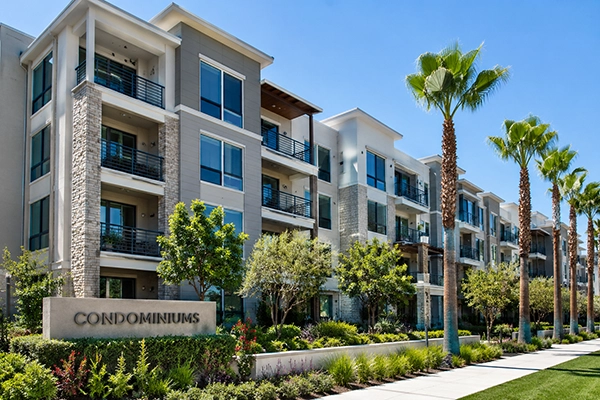
Condominium (Condo)
In a condominium, the legal ownership is the interior living space, within the unit only. The owner also own a percentage of the common areas. While common areas, exterior structures, and land are maintained by a homeowners association (HOA). Condo values are often influenced by HOA financial health, project condition, lawsuits, amenities, owner-occupancy ratios, and overall community marketability.
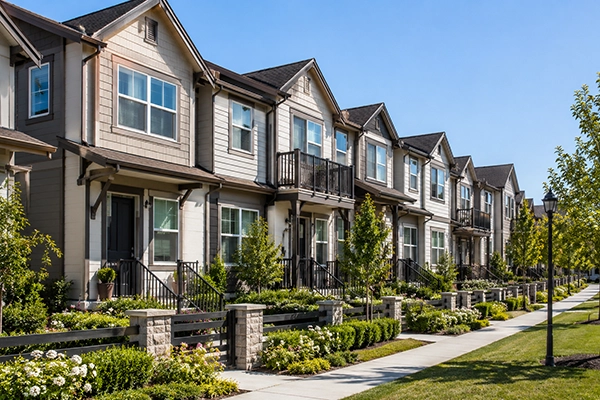
Townhome / Townhouse
Townhomes are a generic term of architecture and nothing to do with the type of ownership. The term townhome or townhouse is a row of individually attached units. The legal ownership could be as a condominium owning only the airspace within the unit. Also, it could be the legal ownership of a Plan Unit Development, unit and land.
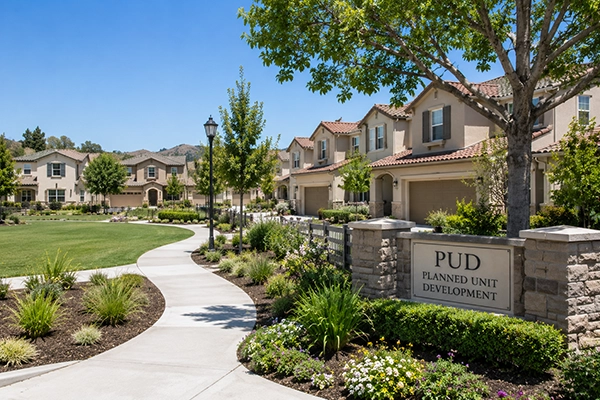
Planned Unit Development (PUD)
A Planned Unit Development (PUD) is a type of residential community where owners typically own the home or unit with the land while sharing access to community-maintained amenities such as private streets, parks, pools, or recreational facilities. PUD appraisals often involve analysis of both the individual property and the surrounding community characteristics.
Important California Consideration
In California, HOA financial stability, reserve funding, deferred maintenance, litigation, and local market demand can all influence the value and marketability of attached residential properties.
Why Condo, Townhome & PUD Appraisals Require Specialized Analysis
Condo, townhome, and Planned Unit Development (PUD) appraisals often involve more complex valuation analysis than traditional single-family residential properties. In addition to the individual residence itself, appraisers may also evaluate homeowners association influence, community condition, ownership structure, shared amenities, marketability, and overall neighborhood appeal.
Because attached residential properties are influenced by both private ownership and shared community characteristics, valuation analysis often requires a broader review of market conditions within the surrounding development and competing communities.
HOA Financial Stability
Reserve funding, delinquency rates, and special assessments may impact marketability and buyer perception.
Community Condition
Deferred maintenance, exterior upkeep, roofing condition, and common area maintenance can influence value.
Shared Amenities
Pools, clubhouses, tennis courts, fitness centers, gated access, and recreational areas may contribute to overall market appeal.
Ownership Structure
Condo and PUD ownership rights can differ significantly and affect valuation analysis.
Unit Location
Interior units, corner units, views, privacy, and proximity to amenities can influence market demand.
Market Competition
Appraisers may analyze competing attached residential communities within the same local market area.

California Market Consideration
In many California markets, HOA litigation, reserve funding concerns, insurance challenges, and deferred maintenance issues can influence attached residential property values and overall marketability.
California HOA & Community Factors That May Influence Value
In California, attached residential property values may be influenced by more than the individual unit itself. Homeowners associations, community condition, reserve funding, deferred maintenance, insurance concerns, and overall marketability can all affect buyer perception and long-term property value.
Because condominium and Planned Unit Development (PUD) communities often involve shared ownership responsibilities and association-managed components, appraisers may analyze both the property and the broader residential development during the valuation process.
HOA Reserve Funding
Low reserve funding or deferred maintenance concerns within a community may affect overall marketability and buyer confidence.
Special Assessments
Pending or recent HOA special assessments can influence ownership costs and market perception.
Community Maintenance
Roof condition, exterior maintenance, landscaping, parking areas, and common amenities may impact value.
HOA Litigation
Ongoing legal disputes involving the homeowners association may affect community stability and marketability.
Insurance Challenges
California insurance availability and rising HOA insurance costs may influence attached residential communities in certain markets.
Owner Occupancy Trends
Communities with higher owner occupancy rates may experience different market dynamics than heavily investor-owned developments.
California Market Consideration
In some California markets, buyers may closely evaluate HOA financial stability, reserve studies, insurance concerns, deferred maintenance, and community management quality before making purchasing decisions involving attached residential properties.
Factors That Can Influence Condo & PUD Value
Several property-specific and market-related factors may influence the value of condominiums and Planned Unit Development (PUD) properties. In addition to broader community characteristics, appraisers may also analyze unit condition, functional layout, location within the development, upgrades, parking, and overall market demand.
Because buyers often compare multiple attached residential communities within the same market area, valuation analysis may also consider how the subject property competes against similar nearby developments.
Unit Location Within the Community
Corner units, interior units, views, privacy, and proximity to amenities may influence buyer demand.
Interior Condition & Upgrades
Kitchen remodels, flooring, bathrooms, built-ins, and overall interior condition may impact market appeal.
Parking & Garage Access
Attached garages, private parking, guest parking availability, and storage space may influence value.
Functional Layout
Open floor plans, bedroom count, natural light, and overall livability can affect marketability.
Community Amenities
Pools, clubhouses, tennis courts, fitness centers, gated access, parks, and walking paths may contribute to value perception.
HOA Fees & Assessments
Monthly dues, reserve funding, and special assessments may influence ownership costs and buyer behavior.
Deferred Maintenance
Visible maintenance concerns within the unit or community may influence marketability and perceived condition.
Market Demand
Local supply, buyer demand, and competition from nearby attached residential communities may affect pricing trends.
California Condo & PUD Market Insight
In many Southern California markets, buyers may evaluate not only the residence itself, but also the condition, financial stability, amenities, and long-term management quality of the surrounding community.
Understanding the Condo & PUD Appraisal Process
Condo and Planned Unit Development (PUD) appraisals often involve analysis extending beyond the individual residence itself. Depending on the property type, ownership structure, and intended use of the appraisal, the process may include review of community characteristics, HOA influence, comparable sales, market conditions, and overall neighborhood competition.
Attached residential properties can vary significantly between communities throughout Southern California. As a result, appraisal analysis may involve both property-specific evaluation and broader market research involving competing developments and surrounding residential trends.
1. Property & Assignment Review
The appraisal process typically begins with discussion involving the property type, ownership structure, intended use of the appraisal, and relevant property or community information.
2. Property Inspection
The appraiser may inspect the residence, noting overall condition, upgrades, functional layout, parking, views, amenities, and other characteristics that may influence value.
Label
3. HOA & Community Analysis
Depending on the assignment, analysis may include review of HOA influence, community amenities, reserve funding considerations, marketability, and overall development condition.
Label
4. Comparable Sales Research
Recent comparable sales within the subject community and competing attached residential developments may be analyzed to understand current market behavior and pricing trends.
Label
5. Market Analysis
The appraisal process may also involve broader analysis of neighborhood trends, market demand, competing communities, and local Southern California housing conditions.
Label
6. Valuation Reporting
The completed appraisal report is developed using market-supported analysis and professional reporting standards tailored to the intended use of the assignment.
In California residential communities, factors such as HOA reserve funding, deferred maintenance, insurance concerns, community amenities, and neighborhood competition may contribute to overall valuation analysis.
How to Prepare for a Condo or PUD Appraisal
Preparing for a condo or Planned Unit Development (PUD) appraisal can help ensure the appraiser has access to relevant property and community information. While appraisers perform independent market analysis, organized documentation and property details may assist in developing a more complete understanding of the property and surrounding community.
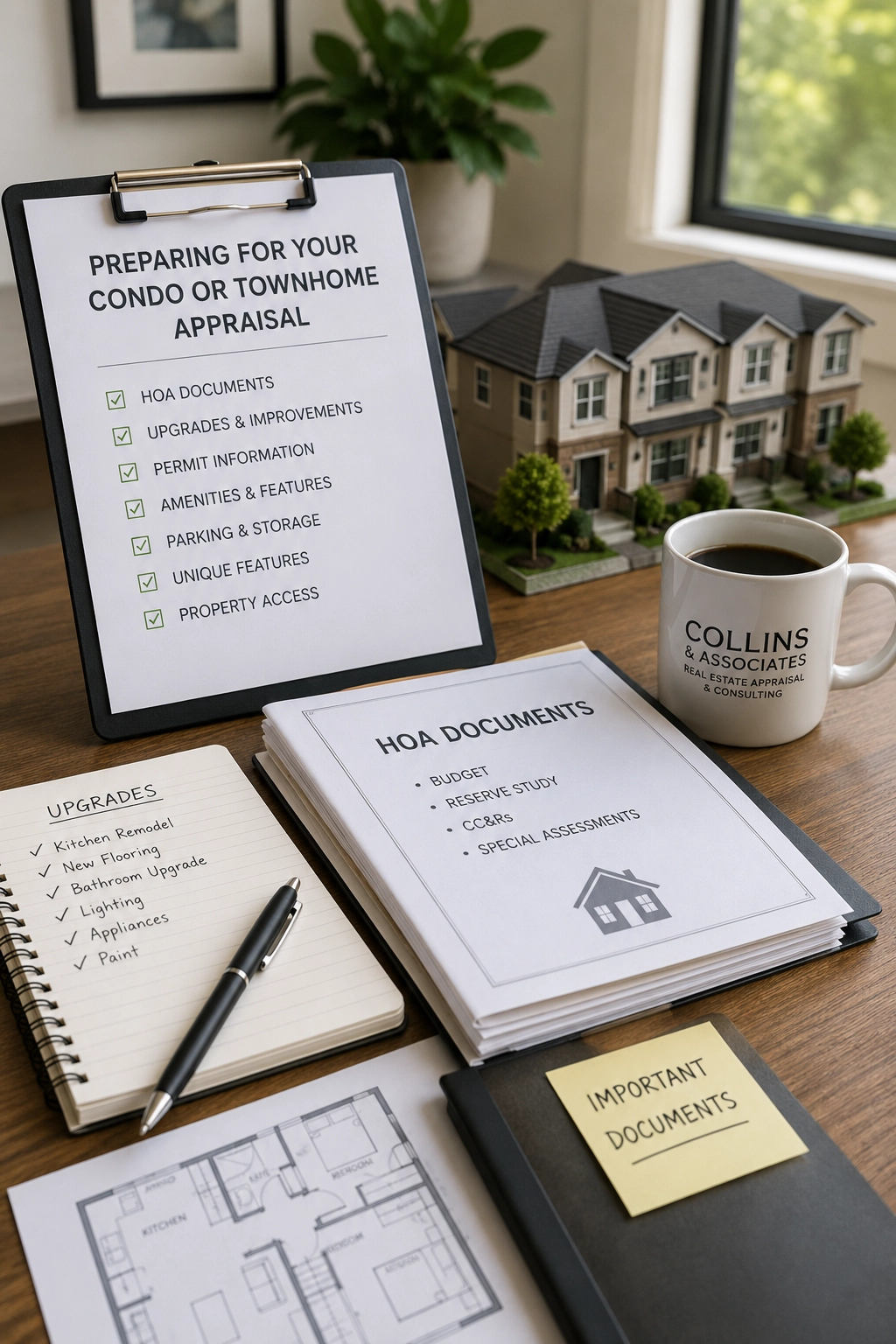
Gather HOA Documents
If available, provide HOA budgets, reserve studies, CC&Rs, special assessment information, and community guidelines.
Prepare a List of Upgrades
Document renovations, remodeling, appliance upgrades, flooring improvements, built-ins, and major repairs completed within the property.
Include Permit Information
If renovations required permits, providing available documentation may help support property improvements.
Explain HOA Amenities
Pools, gated access, fitness centers, parks, clubhouses, and other shared amenities may contribute to overall market appeal.
Provide Parking Information
Assigned parking, attached garages, guest parking, EV charging, and storage areas may influence marketability.
Address Unique Features
Penthouse units, views, corner-unit locations, privacy, outdoor spaces, premium lot locations, or upgraded finishes may distinguish the property from competing units.
Ensure Property Accessibility
Providing clear access to the unit, garage areas, storage spaces, and community amenities can help facilitate the appraisal inspection process.
California HOA Documentation Consideration
In some California residential communities, HOA reserve studies, special assessment disclosures, insurance information, and community maintenance records may provide important context during the valuation process.
California Condo & PUD Appraisal Services
Collins & Associates provides condominium and Planned Unit Development (PUD) appraisal services throughout Southern California. Attached and unattached residential communities can vary significantly between markets, requiring localized analysis involving community characteristics, HOA influence, market demand, pricing behavior, and neighborhood competition.
Our experience throughout Southern California & beyond allows us to analyze a wide range of attached residential property types, from condominium developments and gated communities to large master-planned residential neighborhoods.
-
Los Angeles County
-
Orange County
-
Riverside County
-
San Bernardino County
-
San Diego County
Attached residential property values throughout Southern California may be influenced by local supply and demand trends, HOA structure, community condition, location, and surrounding neighborhood competition.
Work Directly With David R. Collins, Certified General Appraiser
Condo, townhome, and Planned Unit Development (PUD) appraisals often involve more than analyzing the individual residence alone. Ownership structure, HOA influence, community condition, shared amenities, marketability, and neighborhood competition can all contribute to the valuation process.
In California attached residential communities, factors such as reserve funding, deferred maintenance, HOA financial stability, special assessments, and local market conditions may also influence overall property value and buyer perception.
At Collins & Associates, appraisal assignments are developed with a focus on accuracy, clarity, defensibility, and market-supported analysis tailored to the specific characteristics of the property and surrounding community.

Meet Your Southern California Residential Appraiser
David R. Collins, G.A.A., S.C.R.E.A.
Certified General Appraiser
David R. Collins is a Certified General Appraiser with more than 50 years of valuation experience throughout Southern California. His work includes condominium, townhome, Planned Unit Development (PUD), estate-related, tax-related, and complex residential appraisal assignments requiring detailed market analysis and independent valuation support.
Clients often work directly with David R. Collins to ensure the appraisal process is handled with professionalism, discretion, and extensive local market familiarity.
Attached residential communities frequently require analysis extending beyond the residence itself. HOA influence, shared amenities, ownership structure, development competition, and neighborhood market trends can all contribute to valuation complexity within Southern California housing markets.
Trusted for Condo, Townhome & PUD Appraisal Assignments
- Condominium appraisal services
- Townhome and townhouse appraisals
- Planned Unit Development (PUD) valuations
- HOA-governed residential communities
- Estate and trust-related residential valuations
- Property tax appeal appraisals
- Retrospective and historical valuations
- Private valuation assignments for legal and financial purposes
These assignments are supported by detailed market research, community analysis, comparable sales evaluation, and valuation reporting aligned with the intended use of the appraisal.
Experience That Supports Clarity and Defensibility
Attached residential properties often involve overlapping considerations related to ownership rights, HOA obligations, community maintenance, neighborhood competition, and long-term marketability. Appraisals prepared for these properties should not only be technically sound, but also clear, well-supported, and understandable in context.
With decades of valuation experience throughout Southern California, Collins & Associates develops residential appraisal reports designed to support estate planning, tax matters, legal situations, ownership decisions, and complex residential valuation assignments where credibility and defensibility matter.
This experience allows for detailed analysis involving condominium developments, townhome communities, master-planned neighborhoods, and HOA-governed residential properties across a wide range of Southern California market conditions.
Request a Condo or PUD Appraisal
Whether you need a condominium or Planned Unit Development (PUD) appraisal for estate planning, property tax matters, legal purposes, retrospective valuation, or private decision-making, Collins & Associates provides professional appraisal services throughout Southern California tailored to the complexity of the assignment.
Condo and residential communities often involve valuation considerations extending beyond the individual residence itself, including HOA influence, community condition, ownership structure, amenities, and surrounding market competition. Collins & Associates develops appraisal reports supported by detailed market analysis, professional valuation methodology, and independent reporting standards.
Clients often work directly with David R. Collins to discuss the purpose of the appraisal assignment, property characteristics, and any community-related considerations that may influence the valuation process.

Frequently Asked Questions About Condo & PUD Appraisals
Schedule a Call Back with Dave Collins
Provide your contact information and Dave Collins will personally return your call to discuss your appraisal needs and timeline.
"*" indicates required fields