
Accurate Manufacturing Property Appraisals for Important Real Estate Decisions
Manufacturing facilities are specialized industrial properties whose value can be influenced by production layouts, utility capacity, structural design, loading access, office improvements, site characteristics, and adaptability for future users. A manufacturing appraisal is a specialized type of industrial property appraisal that accounts for these unique physical and functional characteristics.
Collins & Associates provides independent manufacturing property appraisals for financing, acquisitions, property tax appeals, litigation, estate planning, financial reporting, and investment decisions. Every assignment is personally completed by David R. Collins, Certified General Appraiser, and developed in accordance with the Uniform Standards of Professional Appraisal Practice (USPAP).
These appraisals focus on the land and permanent real estate improvements. Machinery, equipment, inventory, and the operating business may require separate valuation services.
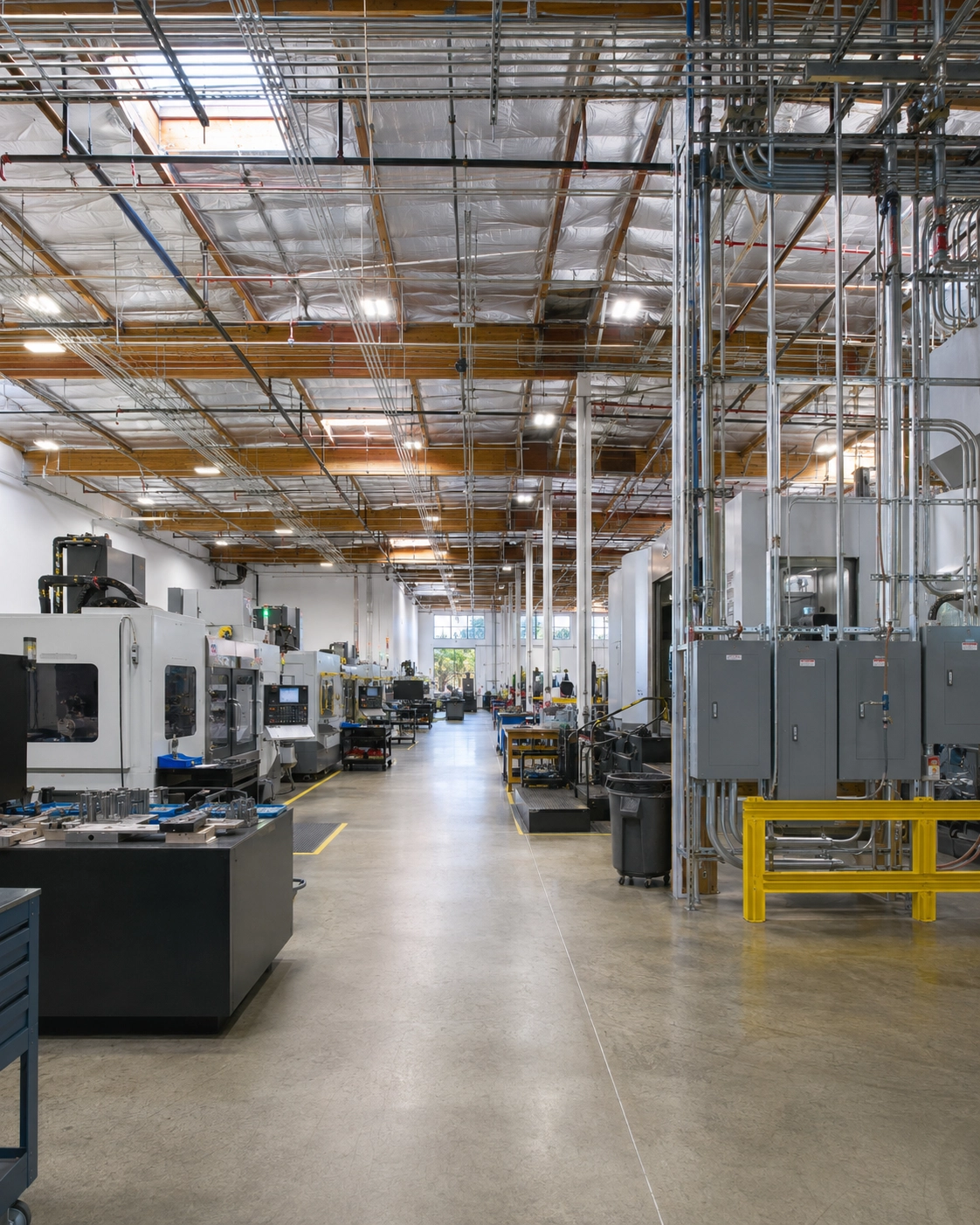
What Is a Manufacturing Property Appraisal?
A manufacturing property appraisal is the process of developing an independent opinion of a facility’s real estate value. The analysis considers the land, permanent building improvements, location, physical condition, functionality, market conditions, and comparable industrial properties.
Unlike standard industrial buildings, manufacturing facilities are often designed or modified for specific production activities. The appraiser evaluates whether specialized improvements increase market appeal, have limited value to other users, or create functional obsolescence.
The analysis also considers demand for manufacturing space, recent sales and leases, market rents, vacancy, capitalization rates, replacement costs, zoning, and the property’s highest and best use.
The completed appraisal report provides an impartial and well-supported opinion of value for attorneys, courts, investors, property owners, and government entities, including the Internal Revenue Service (IRS), county assessor offices, assessment appeals boards, and public agencies involved in eminent domain, property acquisition, tax, or other valuation matters.
What the Appraiser Evaluates
- Property location and industrial market access
- Land size, configuration, and site improvements
- Building size, age, condition, and construction
- Production layout and functional utility
- Electrical capacity and utility infrastructure
- Floor-load capacity and ceiling heights
- Loading facilities and truck access
- Office, laboratory, and employee support areas
- Zoning and known environmental considerations
- Comparable manufacturing sales, leases, and market activity
Types of Manufacturing Properties We Appraise
Manufacturing properties support a wide range of production activities, each with different building requirements, specialized improvements, and market considerations. Collins & Associates provides manufacturing appraisal services for owner-users, investors, lenders, attorneys, accountants, and other intended users throughout Southern California.
Owner-Occupied Manufacturing Facilities
Owner-occupied facilities are designed around the operating requirements of the business using the property. The appraisal considers the real estate independently from the value of the operating company, machinery, equipment, inventory, and other personal property.
- Building size, age, condition, and construction
- Production layout and workflow efficiency
- Electrical capacity and utility infrastructure
- Loading access and material-handling areas
- Office and employee support improvements
- Zoning and permitted uses
- Adaptability for future industrial users
Leased Manufacturing Facilities and Industrial Investments
Leased manufacturing properties are evaluated based on their physical characteristics and income-producing potential. Existing lease terms, market rents, operating expenses, vacancy expectations, and investor demand may influence the property’s value.
Light Manufacturing and Assembly Facilities
Light manufacturing properties commonly support assembly, packaging, electronics, consumer products, and other production activities that require flexible layouts and moderate utility infrastructure.
Heavy Manufacturing and Fabrication Facilities
Heavy manufacturing properties may contain reinforced floors, high-capacity electrical service, cranes, specialized ventilation, process piping, and other substantial improvements required for fabrication or industrial production.
Specialized Production and Processing Facilities
Specialized manufacturing facilities may support food processing, aerospace, precision machining, technology, medical devices, clean-room production, or other controlled manufacturing operations.
The value of specialized improvements depends on how buyers and tenants view them. Features that are essential to one manufacturer may contribute limited value—or require costly modification—for another user.
Manufacturing Property Characteristics That Influence Valuation
Manufacturing facilities can vary significantly in design, infrastructure, and adaptability. A manufacturing appraisal examines how each property’s physical and functional characteristics affect its usefulness, marketability, and value within the surrounding industrial market.
Location and Industrial Market Demand
Access to highways, ports, rail lines, suppliers, customers, and a qualified workforce can influence demand. Local vacancy, industrial development, lease activity, and manufacturing-sector conditions also affect market value.
Building Design and Functional Utility
Production layout, column spacing, interior circulation, material flow, and the relationship between manufacturing, storage, and office areas determine how efficiently the property can support current and future industrial users.
Specialized Manufacturing Improvements
Overhead cranes, ventilation systems, process piping, compressed air, clean rooms, refrigeration, and customized production areas may contribute value when they appeal to other users with similar operational requirements.
Electrical Capacity and Utility Infrastructure
Manufacturing operations may require high-voltage electrical service, natural gas, water, wastewater capacity, and other specialized utilities. Insufficient or outdated infrastructure may require expensive upgrades that affect market value.
When Is a Manufacturing Appraisal Needed?
Manufacturing property appraisals support important financial, legal, tax, and investment decisions. The intended use of the appraisal determines the effective valuation date, scope of work, research required, and appropriate reporting format.
How Manufacturing Facilities Are Appraised
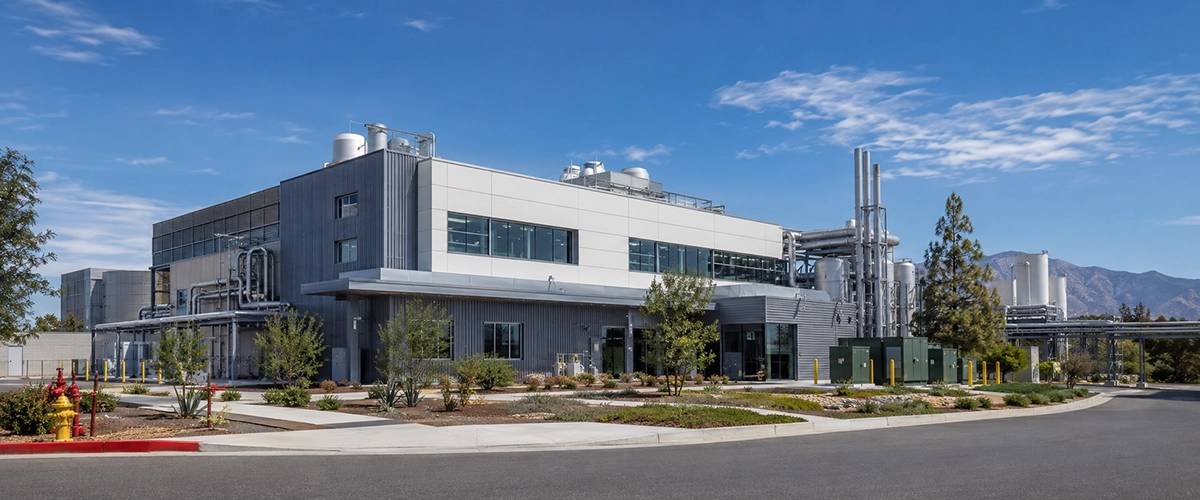
Manufacturing facilities are appraised using recognized valuation approaches that consider the property’s physical characteristics, functional utility, specialized improvements, marketability, and highest and best use.
After inspecting the property and researching relevant industrial market data, the appraiser determines which of the three traditional approaches to value are applicable: the Sales Comparison Approach, Income Capitalization Approach, and Cost Approach.
Income Capitalization Approach
The Income Capitalization Approach evaluates a leased manufacturing property based on its ability to generate rental income. This method is particularly relevant for single-tenant, multi-tenant, and investor-owned industrial properties.
The analysis may consider:
- Contract rent and market rent
- Remaining lease term and renewal options
- Vacancy and collection-loss expectations
- Operating expenses
- Tenant improvements and lease obligations
- Market capitalization rates
- Investor return requirements
The property’s anticipated income is converted into an indication of value using market-supported capitalization data.
Sales Comparison Approach
The Sales Comparison Approach analyzes recent sales of comparable manufacturing and industrial properties. Because facilities often differ in design and specialization, the appraiser evaluates how buyers respond to relevant physical and functional differences.
Comparison factors may include:
- Location and industrial market access
- Land and building size
- Age, condition, and construction quality
- Production layout and functional utility
- Electrical capacity and utility infrastructure
- Floor loads and ceiling heights
- Loading access and site improvements
- Specialized manufacturing improvements
- Zoning, occupancy, and market conditions
This approach reflects how buyers evaluate similar manufacturing properties in the current marketplace.
Cost Approach
The Cost Approach estimates the value of the land and the current cost to construct improvements with similar utility, less depreciation from physical deterioration, functional obsolescence, and external influences.
This approach may provide meaningful support for newer facilities, custom-built manufacturing plants, and properties with specialized improvements or limited comparable market data.
Reconciling the Value Indicators
Not every valuation approach is equally applicable to every manufacturing property. The appraiser evaluates the reliability and relevance of each approach before developing the final opinion of value.
An owner-occupied facility may place greater emphasis on comparable sales, while a leased manufacturing investment may rely more heavily on income analysis. A newer or highly specialized plant may also warrant significant consideration of the Cost Approach.
The final value is based on professional judgment and the strength of the available market evidence—not a simple average of the three approaches.
Image recommendation: Replace the warehouse exterior with the exterior of a modern manufacturing plant that visibly includes production, utility, or industrial infrastructure.
Why Manufacturing Appraisal Experience Matters
Manufacturing facilities are specialized industrial properties whose value depends on physical functionality, utility infrastructure, specialized improvements, adaptability, and local market demand. A credible valuation requires experience with industrial real estate, supported market research, and recognized appraisal methodology.
Experienced manufacturing appraisal analysis provides lenders, attorneys, accountants, investors, business owners, and property owners with reliable valuation information for important financial, legal, tax, and real estate decisions.
Who Requests Manufacturing Property Appraisals?
Manufacturing appraisals are requested by property owners, business operators, lenders, investors, attorneys, accountants, estate professionals, and public agencies that require an independent and well-supported opinion of real estate value.
-
Manufacturing Companies and Property Owners
Manufacturing companies and property owners may require appraisals when purchasing, selling, refinancing, expanding, restructuring ownership, appealing a tax assessment, or making long-term real estate decisions.
-
Industrial Investors & Developers
Investors and developers use manufacturing appraisals to evaluate acquisitions, dispositions, redevelopment opportunities, investment performance, portfolio planning, and the feasibility of adapting specialized facilities for future users.
-
Banks & Commercial Lenders
Banks, credit unions, and commercial lenders may require an independent manufacturing appraisal when underwriting acquisitions, refinancing existing debt, evaluating collateral, or supporting loan and credit decisions.
-
Attorneys & Law Firms
Attorneys may request manufacturing property valuations for litigation, partnership disputes, ownership disagreements, eminent domain, bankruptcy, business dissolution, divorce, and other matters involving industrial real estate.
-
CPAs, Trustees & Estate Professionals
Accountants, trustees, executors, and estate-planning professionals may require manufacturing property valuations for financial reporting, tax administration, probate, ownership transfers, gifting, and IRS-related estate matters.
-
Brokers, Asset Managers & Government Agencies
Commercial real estate brokers, asset managers, corporations, and government agencies may obtain manufacturing property appraisals for negotiations, portfolio analysis, internal planning, public acquisition, regulatory review, or asset management.
Whether the property is owner-occupied, leased to an industrial tenant, or held as an investment, the scope of each appraisal is developed around the property, intended use, intended users, effective valuation date, and reporting requirements.
Why Choose Collins & Associates
Collins & Associates provides independent manufacturing appraisals personally completed by David R. Collins, Certified General Appraiser, with more than 50 years of real estate valuation experience.

Meet Your Industrial Property Appraiser
David R. Collins, G.A.A., S.C.R.E.A.
Certified General Appraiser
Trusted by Lenders, Attorneys & Investors
Collins & Associates works directly with professionals and property owners who require independent and well-supported manufacturing property valuations, including:
- Commercial lenders and financial institutions
- Attorneys and law firms
- Certified Public Accountants
- Manufacturing companies and property owners
- Industrial investors and developers
- Trustees, executors, and estate professionals
- Asset managers and government agencies
Every client works directly with Dave throughout the assignment, from the initial consultation through completion of the appraisal report.
Certified General Appraiser—Qualified for Manufacturing Properties
David R. Collins holds the Certified General Appraiser credential, qualifying him to appraise commercial and industrial real estate, including complex manufacturing facilities.
- Manufacturing assignments may include:
- Owner-occupied manufacturing facilities
- Leased manufacturing investments
- Light manufacturing and assembly buildings
- Heavy manufacturing and fabrication plants
- Specialized production and processing facilities
- Properties with functional obsolescence or complex improvements
Manufacturing Property Valuation Experience
Manufacturing appraisals require more than a review of square footage and comparable sales. Each assignment may involve analysis of production layouts, utility capacity, specialized improvements, floor loads, structural design, loading access, zoning, market demand, and functional obsolescence.
Collins & Associates considers detailed property information together with current industrial sales, leases, capitalization rates, and other market evidence appropriate for the assignment.
Litigation & Complex Valuation Experience
Manufacturing property valuations may be required for legal, tax, ownership, and dispute-related matters where defensible analysis and clear professional documentation are essential.
Assignments may involve:
- Partnership and ownership disputes
- Eminent domain and condemnation
- Property tax assessment appeals
- Estate, trust, and probate matters
- Insurance and valuation disputes
- Retrospective valuation assignments
Independent Manufacturing Valuation
Collins & Associates maintains an objective and independent perspective throughout every assignment. The appraiser’s role is to develop a credible opinion of value supported by relevant market evidence and recognized appraisal methodology.
The final report is prepared to provide clients and intended users with clear, reliable valuation information for their specific financial, legal, tax, or real estate decision.
Counties Served
Collins & Associates provides manufacturing property appraisal services throughout Southern California, including the region’s major industrial, production, and business markets.
-
Los Angeles County
-
Orange County
-
Riverside County
-
San Bernardino County
-
San Diego County
-
Ventura County
Assignments may involve owner-occupied manufacturing facilities, leased industrial investments, light and heavy manufacturing plants, specialized production buildings, and other complex industrial properties throughout Southern California.
Request a Manufacturing Appraisal in California
Whether you are purchasing or refinancing a manufacturing facility, planning an estate, supporting a property tax appeal, preparing for litigation, or making an important investment decision, an independent and well-supported appraisal can provide the reliable valuation information you need.
Collins & Associates provides manufacturing property appraisals throughout Southern California. Every assignment is personally completed by David R. Collins, Certified General Appraiser, and developed around the property, intended use, intended users, effective valuation date, and reporting requirements.
Contact Dave to discuss your manufacturing facility and receive guidance regarding the appropriate scope of work for your appraisal assignment.

Frequently Asked Questions About Manufacturing Appraisals
Schedule a Call Back with Dave Collins
Provide your contact information, and Dave Collins will personally return your call to discuss your manufacturing appraisal needs, property details, intended use, and anticipated timeline.
Dave is a Certified General Appraiser with more than 50 years of real estate valuation experience across Southern California. Every assignment is completed personally, providing direct access to the appraiser from the initial consultation through the final report.
During the call, Dave will review:
- The manufacturing property and its location
- The intended use and intended users
- The effective valuation date
- The appropriate appraisal scope and report type
- Property access and available documentation
- Your preferred completion timeline
Types of Properties Commonly Appraised
- Manufacturing facilities
- Industrial properties
- Owner-occupied production buildings
- Leased manufacturing investments
- Specialized processing facilities
- Commercial investment properties
Direct Access to the Appraiser
All consultations and assignments are handled directly by David R. Collins, ensuring that every valuation benefits from decades of experience in commercial and industrial real estate appraisal.
"*" indicates required fields