
Conservation Land Appraisals for Complex Property & Land-Use Decisions
Conservation land presents unique valuation challenges because market value may be influenced by environmental characteristics, development rights, conservation easements, zoning regulations, land-use restrictions, access, surrounding development, and the property's highest and best use. A professional conservation land appraisal evaluates these factors together with relevant market data and comparable land sales to develop an independent, well-supported opinion of value.
Collins & Associates provides conservation land appraisal services throughout Southern California for property owners, attorneys, accountants, trustees, estate professionals, conservation organizations, public agencies, and other intended users. Every real estate appraisal is personally completed by David R. Collins, Certified General Appraiser, with more than 50 years of real estate valuation experience.
Assignments may involve vacant land, environmentally sensitive property, open-space land, habitat areas, agricultural acreage, conservation easements, properties subject to development restrictions, and land being evaluated before or after the creation of a conservation restriction. Each appraisal is developed around the specific property rights being valued, intended use, effective valuation date, applicable restrictions, and relevant market conditions.
What Is a Conservation Land Appraisal?
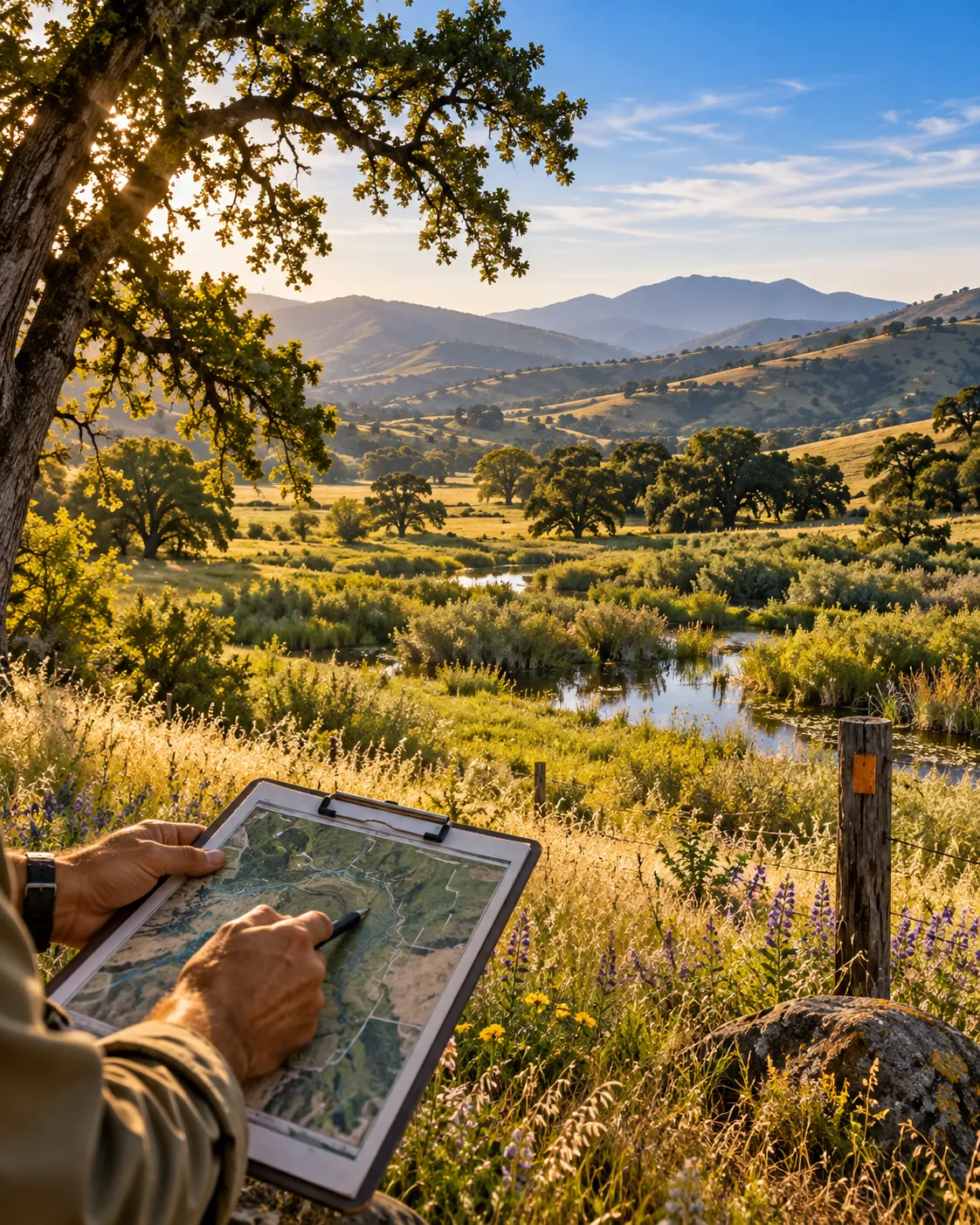
A conservation land appraisal is an independent property valuation involving real estate that is preserved, environmentally sensitive, subject to a conservation easement, or affected by restrictions on development and land use. The appraisal develops an opinion of fair market value based on the property’s characteristics, legal rights, easement restrictions, highest and best use, and evidence from the real estate market. These assignments may support land conservation, property transfers, tax and estate matters, or decisions involving the acquisition or preservation of environmentally significant property.
Conservation properties can differ substantially from conventional vacant land. A parcel may contain wetlands, wildlife habitat, agricultural resources, open space, sensitive environmental areas, or other characteristics that influence its use. A conservation easement or similar restriction may also limit subdivision, construction, commercial activity, density, or other development rights while allowing certain existing or compatible uses to continue.
When an assignment involves a conservation easement, the appraisal may require analysis of the property's value before and after the easement or restriction, depending on the intended use and applicable assignment requirements. This requires careful consideration of the property rights affected, development potential removed or retained, highest and best use, and market evidence for both restricted and unrestricted properties.
The appraisal process may include inspection of the parcel of land, review of zoning regulations and recorded documents, analysis of conservation restrictions and easements, investigation of legally permissible uses, research into comparable sales and land sales, and application of appropriate valuation methods. The final appraisal report explains the market data, methodology, assumptions, and conclusions supporting the opinion of value.
What the Appraiser Evaluates
- Conservation easements
- Vacant conservation land
- Restricted development land
- Open-space properties
- Environmentally sensitive land
- Habitat conservation properties
- Wetlands and properties containing wetland areas
- Agricultural and rural land with conservation restrictions
- Hillside and natural-resource properties
- Properties with limited development rights
- Land considered for permanent conservation
- Properties subject to deed restrictions
- Land involving public or private conservation programs
- Partial interests and property rights, when applicable
- Conservation-related acquisitions
- Properties requiring retrospective land valuation
- Larger acreage and undeveloped parcels
- Land affected by environmental or land-use restrictions
Each conservation property presents different valuation considerations. The nature of the conservation restriction, property rights retained by the owner, zoning, physical characteristics, development potential, environmental conditions, comparable sales, and highest and best use must be analyzed together to determine how market participants would evaluate the real estate.
Types of Conservation Land We Appraise
Conservation land varies significantly in size, location, environmental characteristics, property rights, zoning, land-use restrictions, and development potential. Collins & Associates provides independent conservation land appraisal services for property owners, attorneys, accountants, trustees, estate professionals, conservation organizations, public agencies, and other intended users throughout Southern California.
Land Subject to Conservation Easements
A conservation easement may permanently restrict certain uses or development rights while allowing the property to remain privately owned. The specific terms of the easement are critical to the appraisal because restrictions can affect subdivision, construction, density, commercial activity, resource use, and future development potential.
- Property rights before and after the easement
- Specific conservation restrictions
- Development rights retained or relinquished
- Zoning and permitted uses
- Subdivision potential
- Existing improvements and allowable future improvements
- Comparable sales of restricted and unrestricted land
- Highest and best use
Open Space & Natural Land
Open-space properties may include undeveloped acreage, natural landscapes, hillside land, wildlife areas, or parcels preserved to maintain environmental or scenic resources. Market value depends on the property's physical characteristics, legal uses, accessibility, and the rights available to the property owner.
Environmentally Sensitive Land
Environmentally sensitive properties may contain habitat, wetlands, waterways, sensitive vegetation, steep slopes, or other natural features that affect development potential. The presence of an environmental resource does not by itself establish its impact on land value. The appraisal considers applicable restrictions and how market participants respond to those characteristics.
Habitat Conservation Land
Land preserved for wildlife habitat or ecological resources may be subject to recorded conservation restrictions, public programs, mitigation requirements, or other limitations affecting its use. Valuation requires a clear understanding of the property interest being appraised and the rights that remain with the owner.
Wetlands & Land Containing Wetland Areas
Wetlands and properties containing wetland areas can present complex valuation issues because restrictions may affect only part of a parcel or substantially limit development across the entire site. The appraisal evaluates the real estate based on available property information and the legal and physical characteristics relevant to the assignment.
Agricultural Land with Conservation Restrictions
Infill land is generally located within an established developed area where surrounding infrastructure and land uses already exist. Redevelopment sites may contain obsolete or limited improvements where the underlying land represents an important component of property value.
Land Considered for a Conservation Easement
Property owners, conservation organizations, attorneys, accountants, and other parties may require a real estate appraisal when evaluating a proposed conservation easement. Depending on the intended use and assignment requirements, the analysis may consider the property's market value before and after the imposition of the proposed restrictions.
Restricted Development Land
Some parcels are subject to deed restrictions, environmental limitations, easements, zoning constraints, or other conditions that reduce or alter development potential without eliminating it. These properties require analysis of what development rights remain rather than assuming that restricted land has no development value.
Conservation Acquisition & Public-Interest Properties
Conservation organizations, government agencies, public entities, and property owners may require appraisals involving the acquisition, transfer, or preservation of land for conservation or public-interest purposes. The appraisal must remain an independent opinion of real property value regardless of the objectives of the parties involved.
Conservation Land Characteristics That Influence Valuation
Conservation land can differ substantially in physical characteristics, permitted uses, environmental conditions, property rights, development potential, and legal restrictions. A conservation land appraisal evaluates how these factors affect highest and best use, marketability, land value, and the behavior of buyers within the relevant real estate market.
Location and Market Conditions
Location remains an important influence on conservation land value. Proximity to established communities, agricultural areas, public lands, transportation, utilities, recreational resources, and surrounding development can affect demand. Current market conditions and broader market trends are analyzed to understand how buyers value comparable parcels of land.
Zoning Regulations and Permitted Uses
Zoning regulations establish uses that may legally occur on the property before considering additional conservation restrictions. The appraiser reviews applicable zoning, density provisions, subdivision requirements, development standards, and other land-use regulations relevant to the property's potential uses.
Parcel Size, Configuration, and Access
A parcel's acreage, shape, frontage, legal access, internal circulation, and relationship to surrounding properties can affect its utility and marketability. Larger acreage does not necessarily yield a proportionately higher property value when portions of the site have limited access, restricted use, or other physical constraints.
Topography, Soil Quality, and Physical Conditions
Topography, drainage, soil quality, geology, vegetation, and other site conditions may affect agricultural use, construction feasibility, accessibility, and development potential. The relevance of each characteristic depends on the property's existing and potential uses.
Property Rights Retained or Restricted
Conservation land valuation requires a clear understanding of the real property interest being appraised. Rights involving development, agriculture, recreation, access, water, subdivision, construction, and other uses may be retained, transferred, or restricted. The appraisal analyzes the specific property rights relevant to the assignment.
Conservation Easements and Land-Use Restrictions
A conservation easement can restrict subdivision, development, construction, resource extraction, or other uses while preserving specified property rights. The appraisal considers the actual terms of the easement or conservation restriction rather than assuming that all restricted properties are affected in the same manner.
The analysis considers how easement restrictions affect development rights, marketability, highest and best use, and the property’s fair market value while recognizing any rights and uses retained by the owner.
Development Rights and Highest and Best Use
Development rights can represent an important component of land value. The appraisal considers the development potential legally and physically available to the property and whether conservation restrictions remove or limit those rights. Highest and best use analysis evaluates uses that are legally permissible, physically possible, financially feasible, and maximally productive.
Environmental Characteristics
Wetlands, waterways, wildlife habitat, sensitive vegetation, flood areas, slopes, and other environmental characteristics may influence how a property can be used. Their effect on market value depends on applicable regulations, physical conditions, available documentation, and how market participants respond to those characteristics.
Utilities and Infrastructure
Availability of water, sewer, electricity, roads, and other infrastructure can influence land value even when a property is intended primarily for conservation. Infrastructure may affect existing uses, retained development rights, agricultural operations, recreational uses, or alternative uses permitted under the conservation restrictions.
Comparable Sales and Market Evidence
Comparable sales involving conservation land may be limited, making careful market research particularly important. The appraiser may analyze sales of restricted land, vacant land, agricultural acreage, environmentally sensitive property, or other relevant land sales while accounting for differences in location, property rights, restrictions, physical characteristics, and highest and best use.
When Is a Conservation Land Appraisal Needed?
Conservation land appraisals may support tax, estate, acquisition, legal, ownership, conservation, and financial decisions. Because the purpose of the property valuation can affect the required analysis, the intended use and intended users are established as part of the appraisal process.
How Conservation Land Is Appraised
Conservation land is appraised using recognized valuation methods together with detailed analysis of the property's physical characteristics, legal rights, conservation restrictions, zoning regulations, environmental characteristics, development potential, and highest and best use.
The appraisal process begins by identifying the property interest being valued and the conditions affecting that interest. The appraiser then researches relevant market data, land sales, comparable sales, public records, zoning, recorded easements, conservation restrictions, and other information necessary to understand the property and its position within the real estate market.
Sales Comparison Approach
The Sales Comparison Approach is frequently an important method in conservation land valuation. The appraiser researches transactions involving comparable parcels and analyzes differences between those properties and the subject land.
Comparison factors may include:
- Location and market area
- Parcel size and configuration
- Access and frontage
- Zoning and permitted uses
- Conservation restrictions
- Development rights
- Environmental characteristics
- Utilities and infrastructure
- Highest and best use
- Market conditions at the time of sale
When directly comparable conservation land sales are limited, the analysis may require broader market research and careful consideration of differences in property rights and restrictions.
Before-and-After Valuation
Certain conservation easement assignments may require a before-and-after valuation. Under this methodology, the appraiser analyzes the value of the property before the conservation easement or restriction and then analyzes its value after the restriction is imposed.
The difference between the two value conclusions may indicate the effect of the conservation easement on the applicable property interest. This analysis requires separate consideration of highest and best use, development rights, market conditions, comparable sales, and other factors applicable to each valuation scenario.
Income Capitalization Approach
The Income Capitalization Approach may be relevant when conservation land generates income, and market participants commonly evaluate similar properties based on income-producing characteristics. This may apply to certain agricultural, leased, recreational, or other income-producing properties.
The analysis may consider:
- Existing income
- Market-supported rents
- Lease terms
- Operating expenses
- Restrictions affecting income
- Income stability
- Market-supported capitalization rates
- Investor expectations
Its applicability depends on the property, available market evidence, and intended use of the appraisal.
.
Other Land Valuation Methods
Depending on the property and assignment, additional land valuation methods may be considered when supported by reliable market evidence. The appropriate methodology depends on the property rights being appraised, the availability of comparable data, and how buyers and sellers evaluate similar properties.
No valuation method is automatically applicable simply because land is subject to conservation restrictions.
Reconciling the Value Indicators
The appraiser evaluates the quality and relevance of each value indication before developing the final opinion of market value. Greater weight is given to the valuation methods and market data that most reliably reflect how market participants would evaluate the subject property.
The completed appraisal report documents the applicable appraisal process, property rights, market analysis, valuation methods, assumptions, and supporting evidence used to develop the final value conclusion.
Why Conservation Land Appraisal Experience Matters
Conservation land valuation requires more than comparing acreage or applying a price per acre from nearby land sales. Conservation easements, development rights, zoning regulations, environmental characteristics, property rights, access, physical constraints, and highest and best use can substantially influence market value. A credible appraisal requires experience analyzing both the real estate and the restrictions that affect how the property can be used.
Experienced conservation land appraisal analysis provides property owners, attorneys, accountants, trustees, estate professionals, conservation organizations, public agencies, and other intended users with reliable valuation information for important tax, estate, acquisition, legal, conservation, and ownership decisions.
Who Requests Conservation Land Appraisals?
Conservation land appraisals are requested by property owners, attorneys, accountants, trustees, estate professionals, conservation organizations, government agencies, public entities, and other parties that require an independent and well-supported opinion of real estate value involving conservation land or restricted property rights.
-
Landowners & Property Owners
Property owners may require a conservation land appraisal when considering a conservation easement, selling or transferring restricted land, planning an estate, evaluating development rights, or determining the market value of property affected by conservation or environmental restrictions.
-
Conservation Organizations & Land Trusts
Conservation organizations and land trusts may require independent appraisal services when evaluating acquisitions, conservation easements, fee-simple interests, or other real property interests associated with land preservation. The appraisal develops an independent opinion of value based on the applicable property interest and market evidence.
-
Buyers, Investors & Other Intended Users
Buyers, investors, neighboring property owners, and other intended users may require an appraisal when purchasing, selling, exchanging, or evaluating conservation land. Independent property valuation can help establish market value based on the property's actual rights, restrictions, physical characteristics, and position within the real estate market.
-
Attorneys & Law Firms
Attorneys may request conservation property valuations for litigation, eminent domain and condemnation, ownership disputes, estate matters, tax-related matters, damages, retrospective valuation, and other legal assignments involving conservation land or restricted property rights.
-
CPAs, Trustees & Estate Professionals
Accountants, trustees, executors, and estate planning professionals may require conservation land valuations for estate tax reporting, date-of-death valuation, probate, trust administration, gifting, charitable contribution matters, ownership transfers, and other tax or estate purposes.
-
Government Agencies & Public Entities
Government agencies, municipalities, park agencies, and other public entities may obtain conservation land appraisals for acquisitions, open-space preservation, habitat conservation, infrastructure projects, eminent domain, land exchanges, and other public purposes.
Whether the assignment involves unrestricted land being considered for conservation, an existing conservation easement, environmentally sensitive acreage, open space, agricultural property, or other restricted land, the appraisal is developed around the specific property rights, intended use, intended users, effective valuation date, highest and best use, and applicable market conditions.
Why Choose Collins & Associates
Collins & Associates provides independent vacant land appraisal services personally completed by David R. Collins, Certified General Appraiser, with more than 50 years of real estate valuation experience throughout Southern California.

Meet Your Commercial Land Appraiser
David R. Collins, G.A.A., S.C.R.E.A.
Certified General Appraiser
Trusted by Property Owners, Developers, Attorneys & Lenders
Collins & Associates works directly with individuals and organizations requiring independent conservation land appraisal services, including:
- Landowners and property owners
- Attorneys and law firms
- Certified Public Accountants
- Trustees and executors
- Estate planning professionals
- Conservation organizations and land trusts
- Government agencies and public entities
- Buyers and other intended users
Every client works directly with Dave throughout the appraisal process, from the initial consultation through completion of the appraisal report.
Certified General Appraiser for Conservation Land
David R. Collins holds the Certified General Appraiser credential and personally completes every vacant land appraisal assignment, including properties involving complex development, zoning, entitlement, or highest and best use considerations.
Vacant land appraisal assignments may include:
- Vacant residential lots
- Commercial development land
- Industrial land
- Multifamily development sites
- Agricultural and rural acreage
- Entitled and unentitled land
- Subdivision and development sites
- Infill and redevelopment land
- Hillside and irregular parcels
- Land assemblages
Conservation Land Valuation Experience
Conservation property valuation requires careful consideration of the rights associated with the real estate. Zoning, permitted uses, development rights, easements, environmental restrictions, physical characteristics, access, utilities, comparable sales, and highest and best use may all affect market value.
Collins & Associates evaluates property-specific information together with relevant market data and land sales to develop a credible opinion of value appropriate to the assignment.
Conservation Easement & Complex Valuation Experience
Assignments involving conservation easements or restricted property may require analysis that extends beyond a conventional vacant land appraisal.
Assignments may involve:
- Conservation easement valuation
- Before-and-after valuation
- Charitable contribution matters
- Estate, trust, and probate valuation
- Eminent domain and condemnation
- Public and conservation acquisitions
- Litigation and ownership disputes
- Retrospective valuation assignments
The valuation methodology is determined by the property, the real property interest being appraised, the intended use of the appraisal, and applicable assignment requirements.
Independent Conservation Property Valuation
Collins & Associates maintains an independent and objective perspective throughout every conservation land appraisal. The appraiser's responsibility is to develop a credible opinion of value supported by appropriate appraisal methodology and relevant market evidence.
Every assignment is developed in accordance with USPAP and tailored to the property rights being valued, intended use, intended users, effective valuation date, and applicable reporting requirements.
Counties Served
Collins & Associates provides independent conservation land appraisal services throughout Southern California for properties involving conservation easements, open space, environmental restrictions, habitat preservation, agricultural conservation, and other complex land-use considerations. Every appraisal is personally completed by David R. Collins, Certified General Appraiser, and developed in accordance with USPAP standards.
-
Los Angeles County
-
Orange County
-
Riverside County
-
San Bernardino County
-
San Diego County
-
Ventura County
Conservation land appraisal assignments may include vacant land, open-space properties, conservation easements, habitat conservation land, wetlands, agricultural acreage, restricted development land, environmentally sensitive parcels, and properties being considered for permanent conservation throughout Southern California.
Every appraisal is tailored to the property's physical characteristics, zoning regulations, conservation restrictions, development rights, highest and best use, intended use, intended users, effective valuation date, and applicable market conditions.
Request a Conservation Land Appraisal in California
Whether you are evaluating a conservation easement, acquiring or transferring conservation land, planning an estate, addressing a tax matter, supporting litigation, or determining the value of restricted property, an independent conservation land appraisal provides objective market evidence for informed decisions.
Collins & Associates provides conservation land appraisals throughout Southern California. Every assignment is personally completed by David R. Collins, Certified General Appraiser, with careful consideration of property rights, conservation restrictions, zoning, development potential, environmental characteristics, comparable sales, land sales, and highest and best use.
From open-space and habitat conservation properties to agricultural land, environmentally sensitive parcels, restricted development sites, and properties involving conservation easements, Collins & Associates delivers credible, USPAP-compliant appraisal reports for property owners, attorneys, accountants, trustees, estate professionals, conservation organizations, government agencies, and other intended users.
Contact Dave today to discuss your conservation land appraisal needs and determine the appropriate scope of work for your assignment.

Frequently Asked Questions About Conservation Land Appraisals
Schedule a Call Back with Dave Collins
Provide your contact information, and Dave Collins will personally return your call to discuss your conservation land appraisal needs, property details, intended use, and anticipated timeline.
Dave is a Certified General Appraiser with more than 50 years of real estate valuation experience across Southern California. Every assignment is completed personally, providing direct access to the appraiser from the initial consultation through completion of the final appraisal report.
During the call, Dave will review:
- The conservation property, its location, and physical characteristics
- Existing or proposed conservation easements and land-use restrictions
- The property rights being valued
- Zoning, permitted uses, and development potential
- The intended use and intended users of the appraisal
- The effective valuation date
- The appropriate appraisal scope and report type
- Available surveys, easement documents, environmental reports, and other property documentation
- Your preferred completion timeline
Types of Properties Commonly Appraised
- Land subject to conservation easements
- Open-space properties
- Environmentally sensitive land
- Habitat conservation properties
- Wetlands and properties containing wetland areas
- Agricultural land with conservation restrictions
- Restricted development land
- Vacant land considered for conservation
- Conservation acquisition properties
- Larger undeveloped and rural parcels
Direct Access to the Appraiser
All consultations and conservation land appraisal assignments are handled directly by David R. Collins, ensuring every valuation benefits from more than 50 years of real estate appraisal and land valuation experience throughout Southern California.
"*" indicates required fields