
How Property Tax Appeals Work in California (Step-by-Step Guide)

Property taxes in California are based on the assessed value of real estate, but that value is not always accurate. Assessments may rely on outdated market data, incorrect property characteristics, or generalized valuation models that don’t fully reflect your property’s condition or location. As a result, many property owners—both residential and commercial—end up paying more than they should.
A property tax appeal in California allows you to challenge your assessed value and potentially reduce your tax burden. Whether you’re a homeowner, investor, attorney, or CPA advising clients, understanding how this process works is essential for protecting financial interests.
Even a modest reduction in assessed value can translate into significant tax savings over time. This guide breaks down the assessment appeal process in California step by step, helping you understand when to appeal, how to prepare, and what evidence is required for a successful outcome.
What Is a Property Tax Appeal?
A property tax appeal is a formal process that allows a property owner to contest the assessed value assigned by the county assessor.
Key Concepts
- Assessed Value: The value placed on a property by the county for taxation purposes
- Market Value: The price a property would likely sell for under current market conditions
- Overvaluation: When the assessed value exceeds the true market value
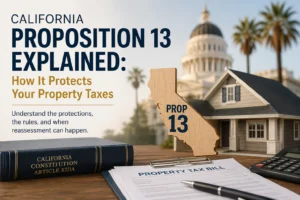
In California, property taxes are largely governed by Proposition 13, but properties can still be reassessed annually based on market conditions or changes. If the assessed value exceeds fair market value as of the lien date (January 1), the property owner has the right to file an appeal.
Who Can File an Appeal?
- Property owners
- Authorized agents (attorneys, tax consultants)
- Trustees or estate representatives
When Should You Appeal Your Property Taxes?
Not every assessment warrants an appeal, but there are clear scenarios where filing is justified.
Common Reasons to Appeal
1. Over-Assessed Property: If comparable properties in your area are selling for less than your assessed value, you may be overpaying.
2. Market Decline: Real estate markets fluctuate. If values have dropped since your last assessment, your tax basis may no longer be accurate.
3. Incorrect Property Data: Errors such as incorrect square footage, lot size, bedroom count, or property condition can inflate your valuation.
4. Financial Impact Scenarios: For high-value properties or commercial assets, even a small percentage discrepancy can result in substantial tax overpayment.
Understanding when to act is critical if you want to reduce property taxes in California effectively.
Understanding California Property Tax Deadlines
Timing is one of the most important factors in the appeal process.
Filing Windows
Most California counties accept appeals between:
- July 2 and September 15, or
- July 2 and November 30 (depending on the county)
These deadlines vary, so verifying your specific county’s schedule is essential.
Why Deadlines Matter
- Missing the filing window means waiting an entire year to appeal
- Late submissions are typically rejected outright
- Even strong cases cannot proceed without timely filing
If you’re researching property tax appeal deadlines in California, this is one of the most critical steps to get right.
Step-by-Step Property Tax Appeal Process
Step 1 – Review Your Property Assessment
Start by carefully reviewing your annual assessment notice.
Look for:
- Assessed value vs. recent market data
- Property details (square footage, features, condition)
- Any discrepancies or outdated information
This initial review determines whether pursuing a property tax reassessment appeal is worthwhile.
Step 2 – Gather Supporting Evidence
Your appeal is only as strong as the evidence you provide.
Key documentation includes:
- Comparable sales (“comps”) near the lien date
- Market trend data
- Photos showing property condition or defects
- Income data (for commercial properties)
Strong evidence is essential to support your claim that the assessed value exceeds market value.
Step 3 – File an Appeal Application
Submit an Assessment Appeal Application to your county’s Assessment Appeals Board.
Typical requirements:
- Property identification details
- Opinion of value
- Basis for appeal
- Filing fee (varies by county)
Accuracy and completeness are critical—errors can delay or invalidate your application.
Step 4 – Prepare for the Hearing
Once your application is accepted, your case may proceed to a hearing.
Preparation includes:
- Organizing evidence clearly
- Preparing valuation summaries
- Anticipating questions from the appeals board
- Reviewing county assessor data
This stage is where many property owners underestimate the importance of professional support.
Step 5 – Present Your Case
At the hearing, you (or your representative) present evidence supporting your valuation.
You will:
- Explain why the assessed value is incorrect
- Present comparable sales and analysis
- Respond to the assessor’s evidence
The board will evaluate both sides before issuing a decision.
What Evidence Is Needed for a Successful Appeal?
A successful assessment appeal process in California depends on credible, well-supported valuation data.
Key Types of Evidence
Comparable Sales: Recent sales of similar properties near the valuation date are the foundation of most appeals.
Market Trends: Broader data showing declining or shifting market conditions can strengthen your argument.
Property Condition: Physical issues—deferred maintenance, damage, or functional obsolescence—can justify a lower value.
Professional Appraisal Reports: An independent appraisal provides a detailed, defensible opinion of value backed by recognized standards.
Why a Professional Appraisal Matters
While some property owners attempt to appeal independently, a professional appraisal significantly strengthens your position.
Benefits of a Professional Appraisal
- Objective Valuation: Independent, unbiased assessment
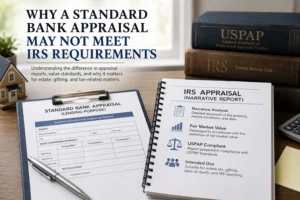
- USPAP Compliance: Adheres to recognized appraisal standards
- Defensible Evidence: Structured, detailed reporting suitable for hearings
- Credibility: Greater weight with assessment appeals boards
There is a clear distinction between informal estimates and a certified appraisal report. For serious appeals—especially high-value or complex properties—a professional valuation is often essential.
If you’re considering support, learn more about our Property Tax Assessment Appeal services.
Common Mistakes to Avoid
Even valid appeals can fail due to avoidable errors.
Frequent Issues
- Filing Without Evidence: Submitting an application without strong support significantly reduces success chances.
- Using Incorrect Comparables: Sales that are not truly comparable (different neighborhoods, sizes, or conditions) weaken your case.
- Missing Deadlines: Late filings are typically not accepted.
- Poor Documentation: Disorganized or incomplete evidence makes it difficult for the board to evaluate your claim.
Avoiding these mistakes can dramatically improve your likelihood of a favorable outcome.
What Happens After You File an Appeal?
After submission, the process continues through several stages.
Review Process
- The county reviews your application
- Additional documentation may be requested
- A hearing may be scheduled
Timeline
- Hearings can take several months to over a year, depending on the backlog
- Some cases may be resolved informally before a hearing
Possible Outcomes
- Reduction in assessed value (and lower taxes)
- No change
- Assessed value upheld or adjusted differently
Understanding this timeline helps set realistic expectations.
When to Work with a Professional Appraiser
Not every appeal requires expert support, but certain situations strongly benefit from it.
Consider Professional Help If:
- The property is high-value or complex
- The valuation involves income-producing assets
- There is a legal dispute or litigation risk
- You lack the time or expertise to prepare evidence
For estate-related properties, you may also need a retrospective valuation, such as an IRS Date of Death Appraisal, which can intersect with tax-related matters.
How Collins & Associates Supports Property Tax Appeals
Collins & Associates provides independent, defensible valuation services designed to support property tax appeals across Southern California.
What Sets Us Apart
- Extensive experience with real estate appraisal for tax appeal cases
- Coverage throughout Orange County, Los Angeles County, Riverside County, San Bernardino County, Ventura County, and San Diego County
- Detailed, well-supported reports aligned with appraisal standards
- Clear, professional documentation suitable for hearings and legal review
Our role is not to advocate—but to provide accurate, credible valuation evidence that can withstand scrutiny.
If you need support, you can: Request an Appraisal
Final Thoughts on Property Tax Appeals in California
The property tax appeal process in California is a structured but highly evidence-driven system. Success depends on timing, preparation, and the strength of your valuation data.
For property owners, investors, and professionals, understanding how to navigate this process can lead to meaningful tax savings—especially when assessments do not reflect current market realities.
Request a Professional Appraisal for Your Property Tax Appeal
If you are considering a property tax appeal in California, a professional appraisal can provide the credible evidence needed to support your case. Collins & Associates offers accurate, defensible valuation services throughout Southern California, helping property owners make informed, financially sound decisions. Contact us today.





Need an Appraisal?
Contact Dave for reliable, certified appraisals across California.